When homeowners or property managers notice cracks, spalling, or surface deterioration in concrete, the focus often shifts immediately to selecting repair materials or scheduling installation. However, one of the most critical—and frequently overlooked—steps in the entire repair process is surface preparation. No matter how advanced a repair product may be, its performance depends heavily on the condition of the surface beneath it. Proper preparation creates the foundation that allows new repair materials to bond securely with existing concrete, resulting in repairs that are stronger, longer-lasting, and better able to withstand daily use. Skipping or rushing this stage often leads to premature failure, requiring additional repairs that could have been avoided through careful preparation.
Removing Weak Material Creates a Stable Base
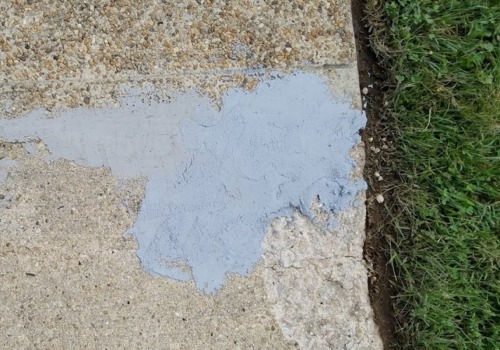
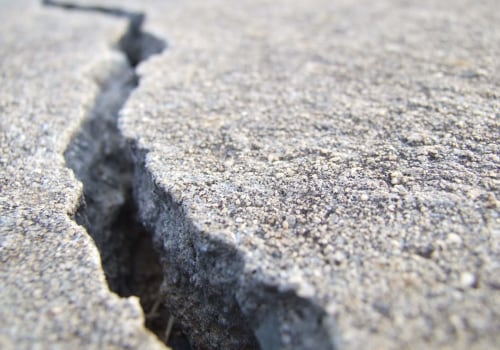
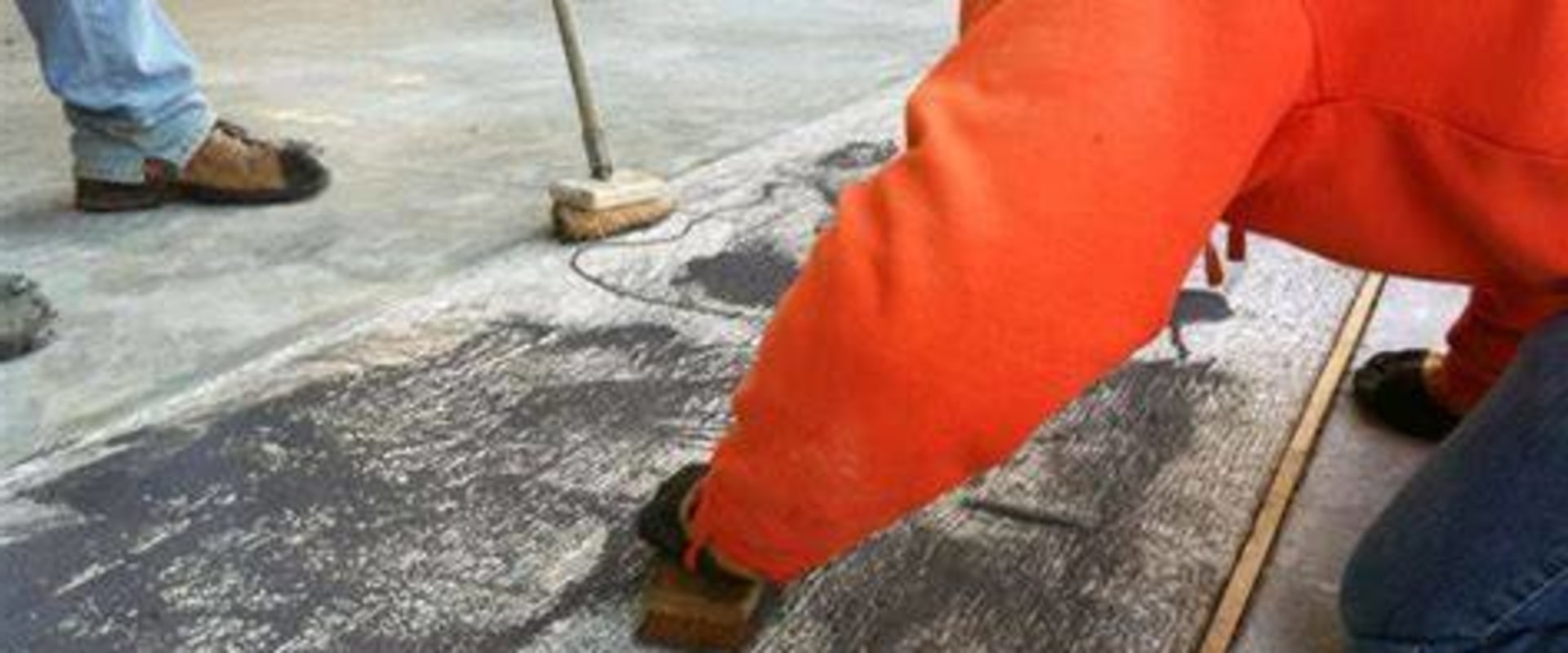
Successful concrete repair begins by thoroughly evaluating the damaged area to identify loose, cracked, or deteriorated concrete that can no longer provide adequate support. Contractors remove unsound material using specialized tools while preserving the surrounding stable concrete whenever possible. Dirt, grease, paint, sealers, dust, and other contaminants must also be eliminated because they interfere with the bonding process between old and new materials. In many cases, mechanical preparation methods such as grinding, shot blasting, or pressure washing are used to create a clean, textured surface that promotes stronger adhesion. This attention to detail ensures that repair compounds become an integrated part of the existing concrete rather than simply forming a thin layer that may separate over time.
Surface Conditions Influence Long-Term Performance
The condition of the prepared surface directly affects the durability and lifespan of the completed repair. Moisture levels, surface texture, temperature, and cleanliness all contribute to how effectively repair materials cure and bond. Contractors carefully evaluate these factors before applying repair products to ensure conditions meet manufacturer recommendations. Just as precision matters when installing architectural features like shower doors, where careful preparation ensures proper alignment, watertight performance, and long-term reliability, concrete repair also depends on meticulous preparation before installation begins. Although these projects involve different materials and construction methods, both demonstrate how investing time in proper preparation often determines the overall quality and longevity of the finished result.
Preparation Supports Better Structural Integrity
Concrete repair is not simply a cosmetic improvement. In many cases, repairs help restore structural performance by protecting reinforcing steel, preventing moisture infiltration, and reducing the spread of existing damage. Properly prepared surfaces allow repair materials to distribute loads more effectively while minimizing the formation of weak points where future deterioration may begin. Contractors may also evaluate nearby drainage conditions, expansion joints, and movement patterns to ensure the repaired section performs consistently with the surrounding concrete. These additional considerations strengthen the repair while helping prevent recurring damage caused by underlying environmental or structural factors that contributed to the original deterioration.
Careful Preparation Leads to Lasting Results
The quality of any concrete repair depends far less on the visible finishing work than on the preparation completed beforehand. Thorough cleaning, removal of damaged material, proper surface profiling, and careful evaluation of environmental conditions all contribute to stronger adhesion and improved long-term performance. Homeowners often notice only the finished appearance, but experienced contractors understand that the invisible work completed before repairs begin is what ultimately determines whether the project succeeds. By prioritizing surface preparation instead of rushing directly to material application, property owners protect their investment while reducing future maintenance costs and extending the life of concrete surfaces. Whether repairing driveways, sidewalks, patios, foundations, or commercial flooring, recognizing surface preparation as the true foundation of successful concrete repair ensures stronger, safer, and more durable results that continue performing reliably for many years.