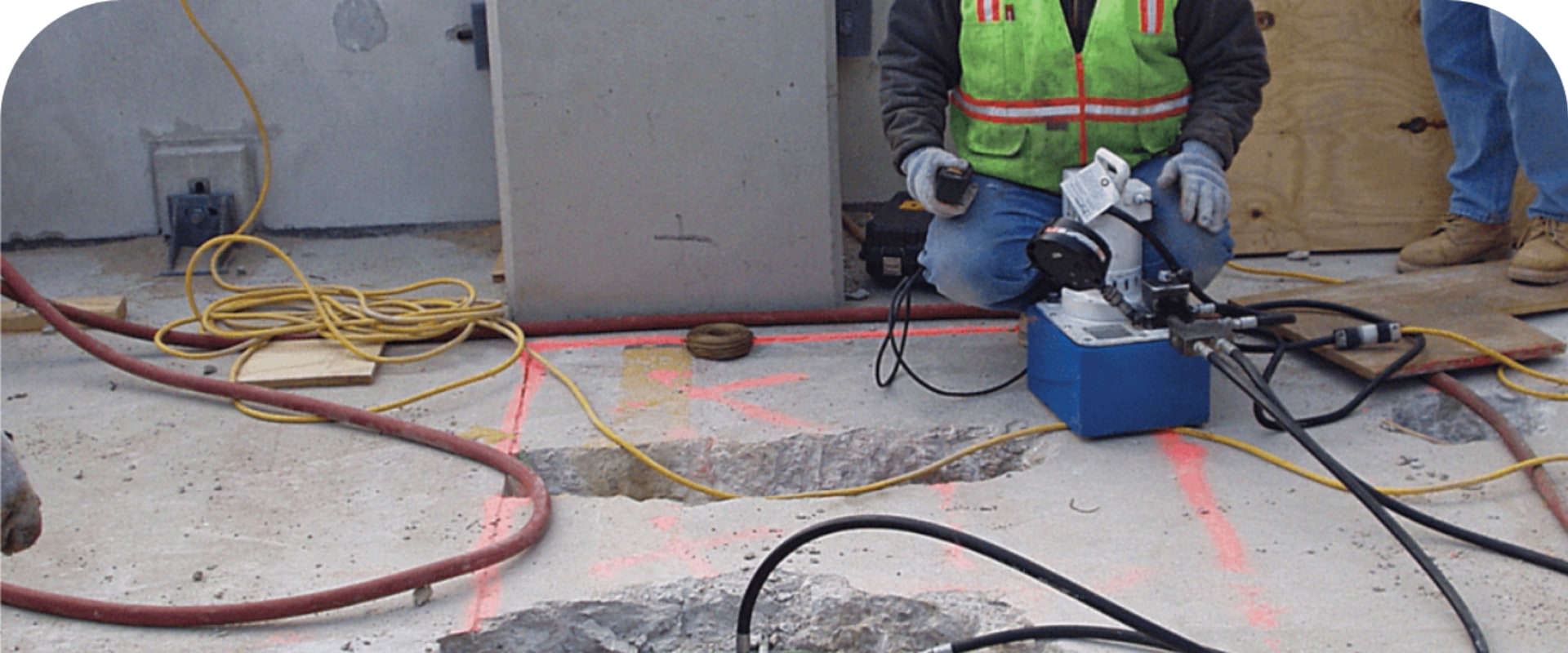
Homeowners and property managers are often surprised when electrical issues arise just days or weeks after concrete repairs. What seems like a coincidence—flickering lights, tripping breakers, or non-functional outlets—can actually be the direct result of what happened under or around the slab during that repair process. Concrete may seem solid and disconnected from electrical systems, but many homes and commercial buildings have conduits, ground wires, and junction boxes that run directly beneath walkways, driveways, or basement floors. During concrete demolition or drilling, vibrations can loosen connections in old conduit. Hammering or coring for anchor bolts can nick buried wires, especially when their exact locations were never mapped accurately. Even something as basic as moisture trapped in patched concrete can create new paths for electrical grounding problems. In older homes, where metal conduit may be deteriorating or unbonded, these small disruptions can cascade into full-blown electrical symptoms that appear days after the concrete sets.
How Repairs Shift Underground Wiring
During any slab or footing repair, workers may cut or saw through concrete to access piping or level surfaces. If they unknowingly slice near embedded electrical lines—often encased in thin PVC or even direct burial cable in older builds—those lines can be cracked or partially severed without triggering an immediate outage. Later, when concrete is poured back, the pressure of the wet mix, combined with slight shifting as it cures, can press on those damaged wires and degrade the insulation further. Water in fresh concrete conducts electricity slightly, especially when it pools around unsealed junction points, creating shorts that don’t appear until electrical demand increases. For example, a hairline nick in a wire might not trip a breaker during normal use but could overload when a large appliance kicks on, leading to flickering, burning smells, or loss of power to part of a room. In homes where ground rods are embedded in or near the slab, repairs can also alter grounding integrity, especially if metal connections become encased in fresh concrete without proper bonding or corrosion protection.
The Importance of Cross-Trade Communication
These issues are often the unintended result of poor communication between trades. Concrete contractors may not be trained to think about electrical systems unless told to, and electricians may not be brought in unless a clear issue already exists. That’s why repair plans should always include a review of as-built diagrams, and if those don’t exist—as is common—scanning the slab with radar or electromagnetic locators before cutting. Property owners who experience electrical issues after concrete work often don’t realize the link until they’re paying for a second round of repair. This is why some smart contractors and electricians are beginning to collaborate during structural jobs, inspecting affected areas proactively. A well-respected team like Jackson and Sons Electric can be brought in before concrete repairs begin to evaluate the electrical risks and ensure nothing critical is buried in the path of new work. Even something as simple as marking conduit paths or verifying the location of junction boxes can prevent thousands of dollars in follow-up costs.
Prevention Is Cheaper Than Recovery
In short, when concrete work and electrical systems share the same space, invisible damage is always a risk. Repairs that seem isolated—like patching a crack or replacing a section of slab—can jostle old systems or create new electrical hazards. The safest approach is layered planning: identify shared infrastructure, confirm depths and routes, and involve both trades when one system may impact the other. Otherwise, homeowners may find themselves solving a new mystery: why the power went out, just after the floor was fixed.