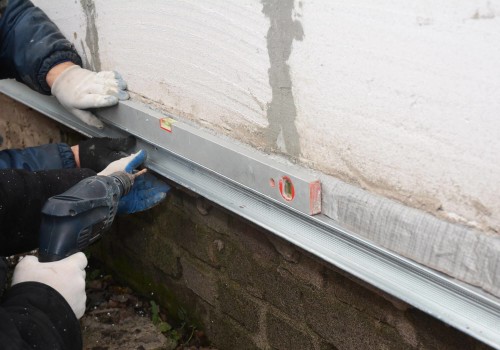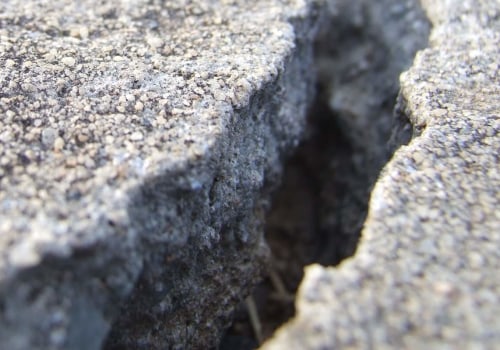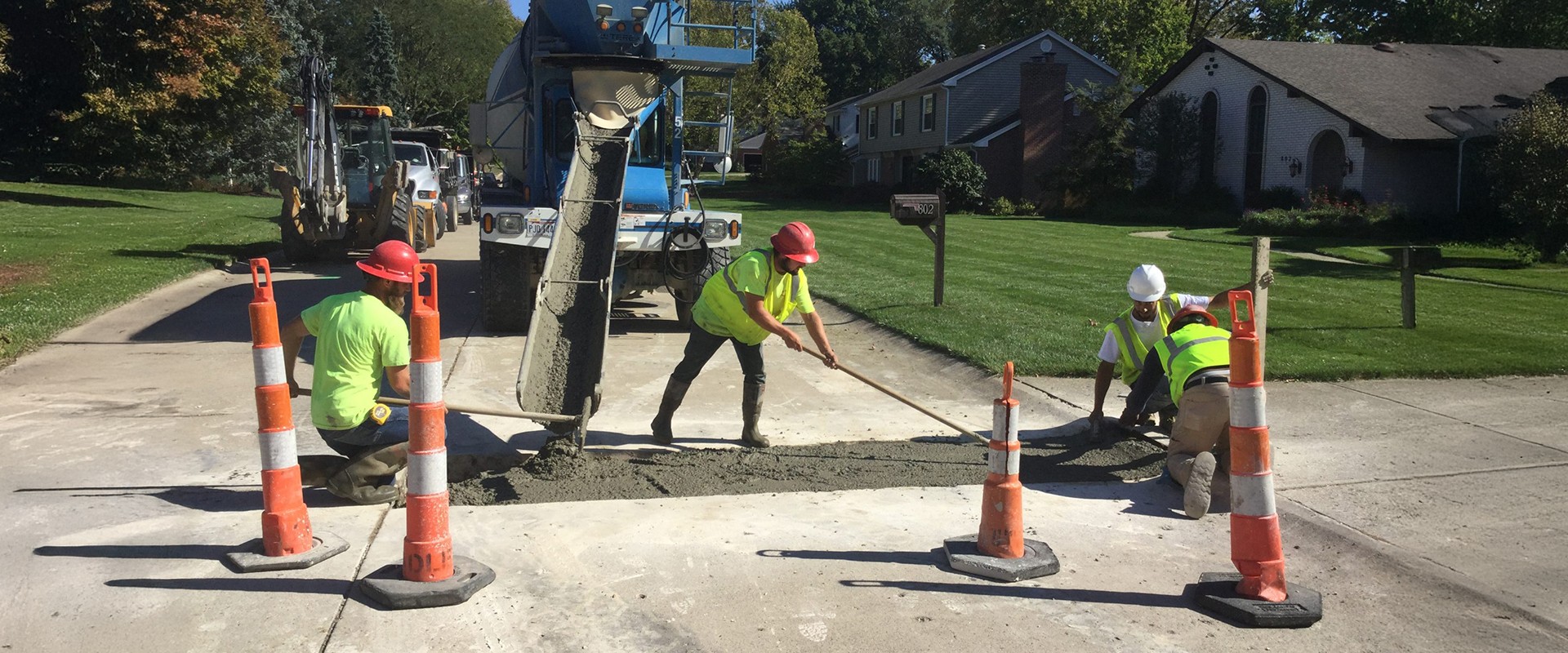
Concrete repair projects are frequently viewed as isolated maintenance tasks focused on fixing cracks, uneven surfaces, deteriorating slabs, or damaged driveways. While these repairs are important on their own, they often have a much broader impact on contracting and renovation decisions throughout a property. Concrete serves as a foundational element in many residential and commercial structures, supporting everything from walkways and patios to garages, foundations, and outdoor living areas. Because of this, issues discovered during concrete repairs often reveal underlying concerns that influence additional construction, maintenance, and renovation plans. Homeowners and contractors alike frequently find that addressing concrete problems becomes the starting point for larger property improvement strategies.
Identifying Underlying Structural and Drainage Issues
One of the most significant ways concrete repair projects influence other renovation decisions is through the discovery of structural or drainage-related concerns. Cracks, settling, heaving, and uneven surfaces are often symptoms rather than the root problem. During inspections, contractors may uncover poor soil conditions, inadequate drainage systems, water intrusion issues, or foundation movement contributing to the damage. Once these factors are identified, homeowners often recognize the need for additional repairs that extend beyond the concrete itself. Correcting drainage patterns, improving grading, or addressing foundation concerns can become necessary before cosmetic improvements or other renovation projects move forward successfully.
Affecting Renovation Priorities and Budgets
Concrete repair projects frequently influence how homeowners allocate renovation budgets and prioritize future improvements. A property owner planning kitchen upgrades, landscaping enhancements, or interior remodeling may discover that deteriorating concrete surfaces require immediate attention. Since unresolved structural or site-related issues can negatively affect other investments, many homeowners choose to address concrete repairs first. This shift in priorities helps protect future renovation work and reduces the risk of recurring damage. Contractors often recommend resolving foundational and exterior concerns before proceeding with aesthetic upgrades, ensuring that renovation dollars are invested more effectively.
Improving Project Coordination Across Multiple Trades
Concrete repairs also require coordination among various construction professionals. Depending on the scope of the project, work may involve excavation contractors, drainage specialists, landscapers, foundation repair teams, and general contractors. This collaborative process often leads homeowners to evaluate other areas of the property that may benefit from improvement while construction is already underway. By coordinating multiple services within the same project timeline, homeowners can reduce disruptions, improve efficiency, and achieve more comprehensive results. Contractors frequently use concrete repair projects as an opportunity to identify complementary upgrades that support the overall condition and functionality of the property.
Influencing Interior Renovation Planning
Although concrete repairs are often associated with exterior surfaces, they can also affect decisions regarding interior improvements. Foundation-related concrete issues may contribute to uneven floors, wall cracks, door alignment problems, or moisture concerns inside the home. Before investing in projects such as flooring replacement, room remodeling, or interior painting and finish work in Brownsburg Indiana, homeowners may need to ensure that underlying concrete and structural concerns have been addressed. Completing repairs first helps protect interior renovation investments and reduces the likelihood of future damage affecting newly completed work.
Supporting Long-Term Property Performance
Another important influence of concrete repair projects is their role in long-term property maintenance planning. Properly repaired concrete surfaces contribute to improved safety, better drainage, enhanced accessibility, and greater structural stability. Contractors often recommend evaluating surrounding property features such as retaining walls, patios, walkways, and foundations during concrete repair projects to ensure that all related systems function together effectively. This broader perspective helps homeowners create maintenance plans that extend the lifespan of multiple property components rather than focusing solely on a single repair issue.
A Catalyst for Smarter Renovation Decisions
Ultimately, concrete repair projects often serve as a catalyst for broader contracting and renovation decisions. What begins as a repair to a cracked driveway, patio, or slab can reveal opportunities to improve structural integrity, drainage performance, safety, and overall property value. By addressing these concerns proactively, homeowners can make more informed decisions about future renovations while protecting their investment. Concrete repair may appear to be a simple maintenance task, but its influence often extends throughout the entire property improvement process.