Concrete is known for its durability, but it is not immune to the long-term effects of water exposure. For homeowners dealing with leaks, flooding, or drainage problems, understanding how water impacts concrete is essential. When water consistently seeps into concrete surfaces—whether through cracks, porous areas, or poor drainage systems—it can weaken the internal structure. Over time, this leads to visible damage such as cracking, scaling, or even sinking slabs. Addressing these issues early is key to preventing costly repairs and maintaining the integrity of your property.
Common Signs of Water-Related Concrete Damage
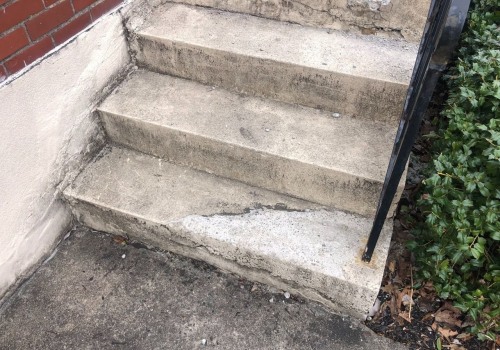
One of the first indicators of water-related damage is the appearance of small cracks that gradually widen. These cracks often form due to repeated expansion and contraction caused by moisture and temperature changes. Another common sign is surface discoloration, which may indicate water pooling or mineral deposits left behind after evaporation. In more severe cases, homeowners may notice uneven surfaces or “heaving,” where sections of concrete shift due to soil movement beneath. These issues not only affect aesthetics but can also create safety hazards if left untreated.
The Role of Proper Drainage in Concrete Longevity
Effective drainage plays a critical role in protecting concrete structures. Without proper water management, rainwater and runoff can accumulate around foundations, driveways, and patios. This excess moisture seeps into the concrete and the soil beneath it, leading to erosion and instability. Installing proper grading, downspouts, and drainage systems helps redirect water away from vulnerable areas. In some cases, homeowners may also need professional services like emergency drain cleaning in Arlington to address clogged or malfunctioning drainage systems that contribute to water buildup.
Repair Techniques for Water-Damaged Concrete
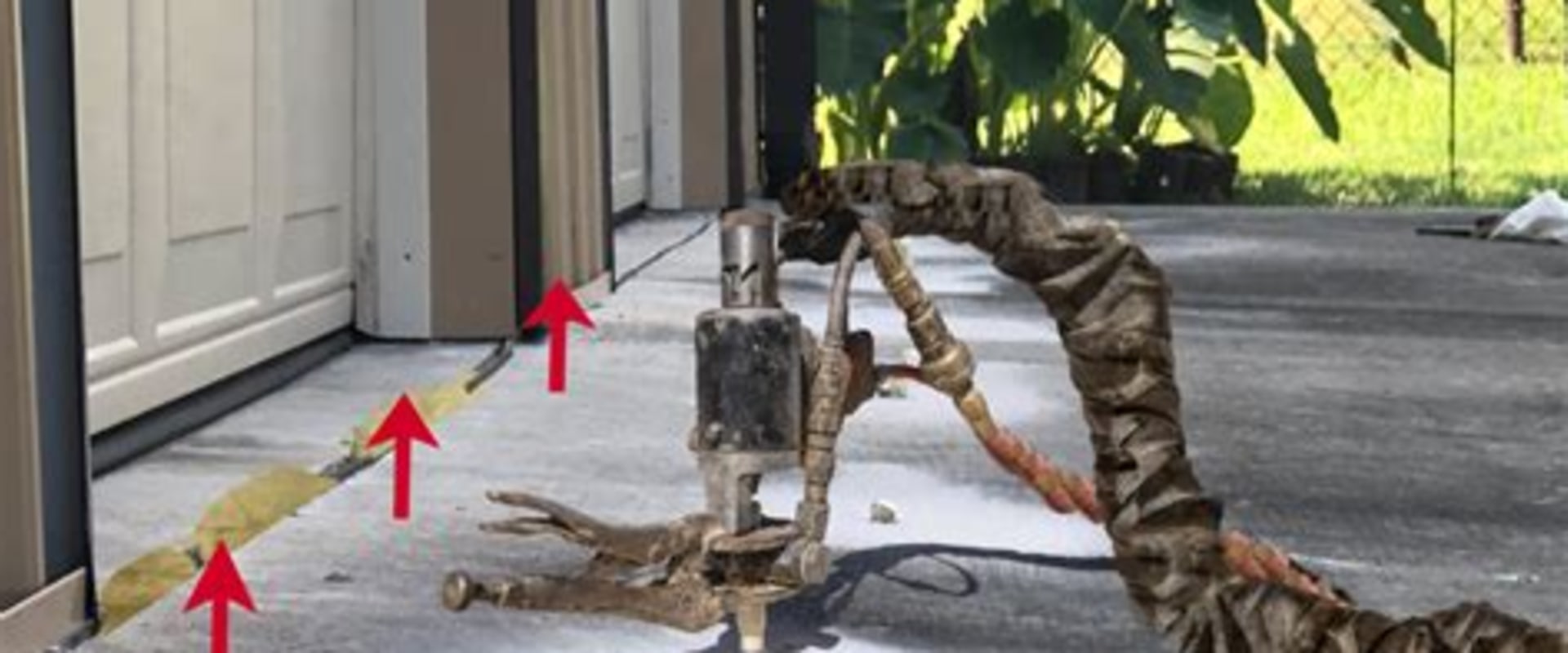
When damage has already occurred, several repair methods can restore the strength and appearance of concrete. Crack filling is one of the most common solutions, using specialized sealants or epoxy injections to prevent further water infiltration. For more extensive damage, resurfacing may be necessary to create a smooth, uniform layer over the existing concrete. In cases where the underlying soil has shifted, techniques such as slab jacking or polyurethane foam injection can lift and stabilize the surface. Choosing the right repair method depends on the severity of the damage and the underlying cause.
Preventative Measures for Long-Term Protection
Preventing water-related concrete damage requires a proactive approach. Regular inspections can help identify early warning signs before they escalate into major problems. Sealing concrete surfaces is another effective strategy, as it creates a protective barrier against moisture penetration. Homeowners should also ensure that gutters and drainage systems are functioning properly, especially during heavy rainfall seasons. Landscaping choices, such as using permeable materials or strategically placing plants, can further reduce water accumulation around concrete structures.
Conclusion
Managing water-related issues is essential for preserving the durability and safety of concrete surfaces in any home. By understanding the causes of damage, recognizing early signs, and implementing both repair and preventative strategies, homeowners can significantly extend the lifespan of their concrete. Whether addressing minor cracks or more serious structural concerns, taking timely action will save both time and money in the long run while ensuring a stable and visually appealing property.