When homeowners plan a move, attention often goes to packing, logistics, and timelines, but the condition of exterior concrete is just as important. Cracked driveways, uneven walkways, and damaged patios can create safety hazards and negatively affect curb appeal. Whether you are selling your home or simply want a smoother transition, addressing concrete issues early helps prevent complications during showings, inspections, or moving day itself. Well-maintained concrete surfaces also make it easier for movers to navigate heavy equipment and protect belongings during loading.
Identifying Common Concrete Problems
Before beginning repairs, homeowners should assess the most common concrete issues around their property. Hairline cracks may seem cosmetic, but they can widen over time due to moisture intrusion and temperature changes. Larger cracks, sunken slabs, or uneven surfaces often indicate underlying soil movement or drainage problems. Spalling, which causes flaking or chipping on the surface, can make concrete slippery and unattractive. Identifying these issues early allows for targeted repairs rather than rushed fixes right before the move.
Timing Repairs Strategically
Concrete repairs should be scheduled well ahead of moving day whenever possible. Many repair methods require curing time, and rushing the process can lead to poor results. Planning repairs weeks or even months in advance ensures that surfaces are fully set and safe for foot traffic, vehicles, and moving equipment. Early repairs also allow homeowners to avoid scheduling conflicts with other pre-move tasks. If belongings need to be temporarily relocated during repairs, arranging off-site solutions such as storage services in Austin can reduce clutter and protect items while work is completed.
Choosing the Right Repair Approach
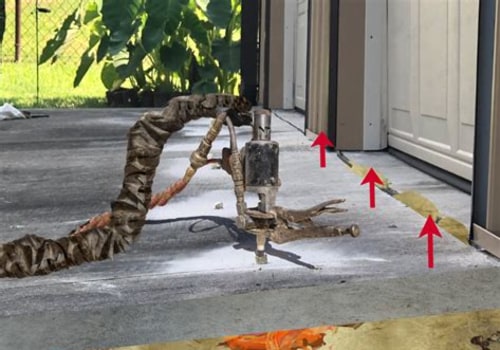
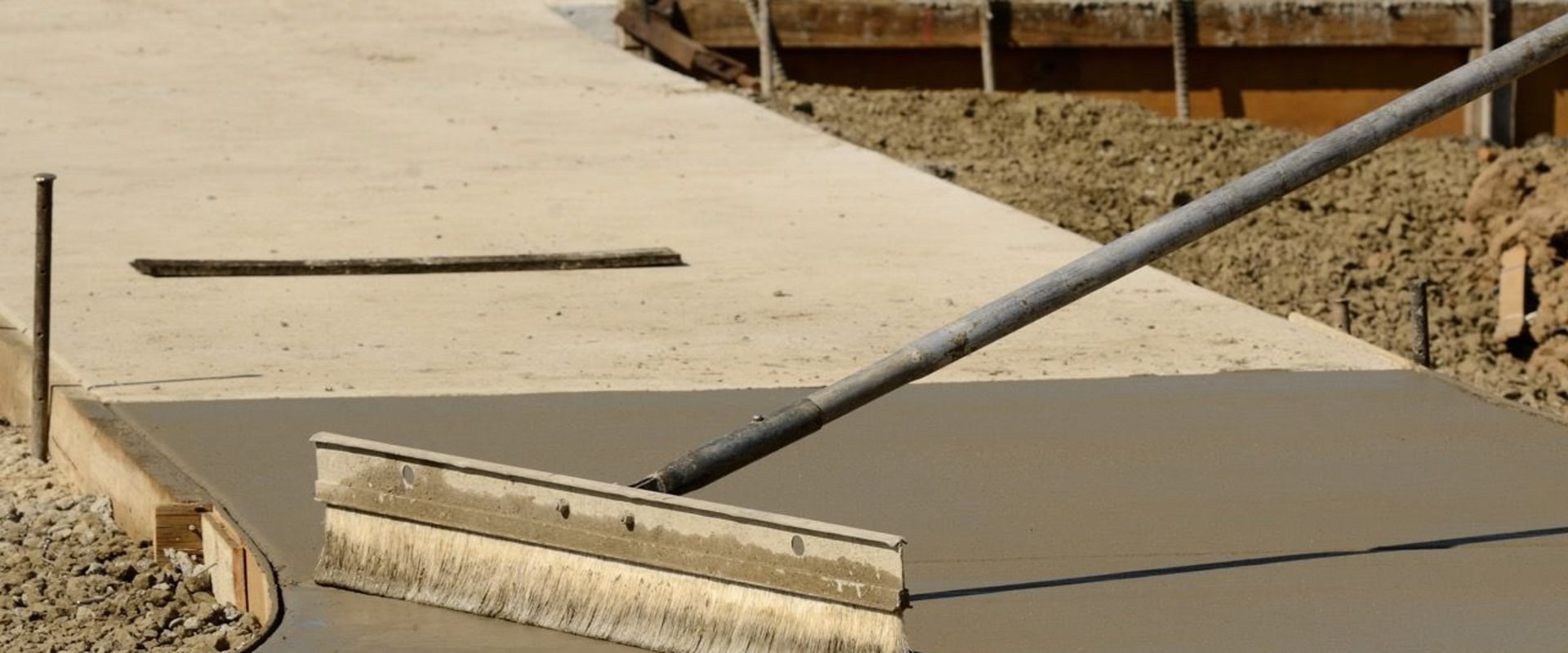
Not all concrete damage requires full replacement. Small cracks can often be sealed with concrete filler or epoxy injections to prevent further deterioration. Uneven slabs may be corrected through leveling techniques rather than removal, saving time and cost. For more extensive damage, resurfacing can restore appearance and functionality without replacing the entire slab. Understanding which solution fits the problem helps homeowners invest wisely and avoid unnecessary work before moving.
Improving Safety and Accessibility
Concrete repair is not just about appearance; it plays a major role in safety. Uneven walkways and cracked steps increase the risk of trips and falls, especially on moving day when foot traffic is high. Repairing these areas creates safer paths for movers, family members, and visitors. Smooth, stable concrete surfaces also make it easier to maneuver dollies, carts, and heavy furniture, reducing the chance of damage to belongings or injury during the move.
Boosting Home Value and First Impressions
For homeowners selling their property, concrete repairs can significantly improve first impressions. Driveways and walkways are often the first features buyers see, and visible damage can suggest neglect even if the interior is well maintained. Simple repairs can enhance curb appeal, support higher offers, and reduce the likelihood of repair requests during negotiations. Even for homeowners who are not selling, leaving a well-maintained property behind provides peace of mind and a sense of closure.
Coordinating Repairs With Other Pre-Move Tasks
Concrete repair works best when coordinated with other pre-move preparations. Landscaping, exterior cleaning, and drainage improvements can often be done alongside concrete work to maximize results. Coordinating schedules prevents overlap and reduces disruption. Clear communication with contractors about moving timelines ensures repairs are completed efficiently without interfering with packing or loading plans.
Setting the Stage for a Smooth Transition
Addressing concrete repairs before a move helps homeowners avoid last-minute stress and unexpected obstacles. By planning ahead, choosing appropriate repair methods, and aligning repairs with the overall moving schedule, homeowners create a safer, more attractive environment during a busy transition. Concrete repairs may seem like a small detail, but they play a meaningful role in ensuring a smoother, more confident move from start to finish.