Concrete installations such as driveways, walkways, patios, pool decks, and foundation slabs are designed to provide durability and long-term structural support. However, many property owners underestimate how closely roofing systems are tied to the condition and lifespan of these concrete surfaces. Proper drainage management begins at the roofline, where rainwater is first collected and redirected away from the property. Without effective roofing and drainage solutions, water can accumulate around concrete installations, leading to erosion, surface deterioration, soil instability, and cracking over time. Roofing services help reduce these risks by ensuring gutters, downspouts, flashing, and roof slopes work together to guide water safely away from vulnerable areas surrounding the home or commercial structure.
Why Water Management Matters for Concrete Longevity
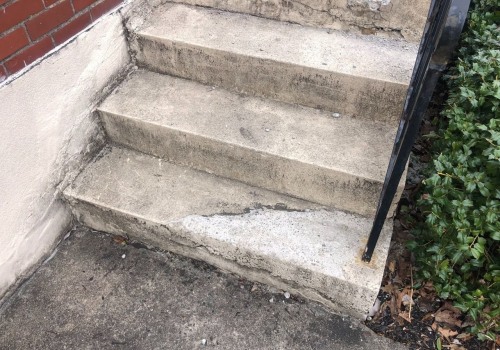
Water is one of the most damaging elements affecting concrete when drainage is poorly controlled. Even though concrete appears solid and resilient, repeated exposure to standing water or oversaturated soil beneath the surface can gradually weaken its structural integrity. Improper roof runoff often causes water to collect along the edges of driveways or near foundations, where moisture slowly penetrates surrounding soil. As the soil shifts, settles, or erodes, the concrete above may begin to crack, sink, or develop uneven surfaces. Roofing professionals frequently evaluate drainage flow patterns during inspections because roof runoff has a direct impact on landscaping and hardscape stability. Strategic gutter placement and properly extended downspouts help reduce water concentration in problem areas while supporting more balanced drainage around the property.
How Roofing Services Help Protect Outdoor Surfaces
Professional roofing services often involve much more than replacing shingles or patching leaks. Contractors may also identify drainage concerns that could eventually affect sidewalks, retaining walls, or concrete slabs. In many cases, older properties were built with limited consideration for long-term water control, causing runoff to spill directly onto paved surfaces year after year. This repeated exposure accelerates wear and increases the likelihood of surface staining, erosion, and expansion-related cracking. Companies such as A1 Roofing Services understand that effective roof drainage systems contribute to overall property protection, not just roof preservation. By improving gutter performance, adjusting roof drainage angles, and ensuring water exits safely away from the structure, roofing professionals can help minimize moisture-related stress on surrounding concrete installations.
The Role of Gutters and Downspouts in Drainage Control
Gutters and downspouts serve as critical components in protecting concrete surfaces from unnecessary water exposure. When gutters become clogged or damaged, overflowing rainwater often pours directly onto driveways, patios, or foundation edges. Over time, this concentrated runoff can wash away supporting soil and create low spots where water pools after storms. Roofing services that include gutter maintenance and drainage assessments help prevent these issues before major structural problems develop. Properly positioned downspout extensions also play a major role in redirecting water away from high-risk areas, reducing the chances of foundation settlement and surface deterioration. This becomes especially important in regions with heavy rainfall, snowmelt cycles, or seasonal storms that place additional stress on outdoor hardscape installations.
Long-Term Property Protection Through Coordinated Maintenance
Property maintenance works best when roofing and concrete drainage considerations are approached together rather than as separate systems. Homeowners investing in new concrete installations benefit significantly from evaluating roof drainage performance at the same time. Addressing runoff concerns early helps reduce future repair costs while preserving the appearance and stability of outdoor surfaces for many years. Coordinated maintenance between roofing systems and concrete areas supports better water control throughout the property, helping minimize erosion, moisture intrusion, and structural shifting. By understanding the relationship between roof drainage and concrete preservation, property owners can make more informed decisions that improve both functionality and long-term durability.