Luxury home upgrades are often associated with elegant finishes, premium materials, custom layouts, and visually striking architectural details. Homeowners investing in upscale remodeling projects usually focus on marble countertops, hardwood flooring, designer lighting, or custom-built installations that enhance the appearance and functionality of their living spaces. However, one of the most overlooked factors behind the success of these upgrades is structural surface stability. Before any luxury finish can truly perform as intended, the underlying surfaces supporting those materials must be stable, level, and capable of handling long-term weight distribution and environmental changes. Without proper structural preparation, even the most expensive upgrades can experience premature wear, visible imperfections, or costly maintenance issues over time. Surface stability may not receive the same attention as aesthetic design elements, but it quietly influences the durability, safety, and overall lifespan of nearly every major home improvement investment.
The Connection Between Stability and High-End Finishes
Many luxury materials require extremely precise installation conditions in order to maintain their appearance and functionality. Uneven flooring, shifting foundations, moisture exposure, or improperly reinforced walls can all compromise expensive upgrades shortly after installation. Large-format tile, natural stone surfaces, custom cabinetry, and high-end hardwood floors are particularly sensitive to structural inconsistencies beneath them. Minor structural movement that may seem insignificant during early construction stages can eventually lead to cracked grout lines, warped flooring, uneven countertops, or visible gaps around built-in fixtures. Contractors working on premium remodeling projects understand that structural preparation is not simply a preliminary task but a foundational requirement for achieving a polished final result. In kitchen and interior remodeling projects involving Orlando Custom Cabinets, for example, stable walls and properly leveled surfaces are critical for ensuring that cabinetry alignment, door operation, and countertop installations remain visually seamless and functional over time. High-end materials often have very little tolerance for movement or uneven support, making structural accuracy one of the most important aspects of the renovation process.
Hidden Factors That Affect Structural Stability
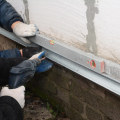
Structural surface stability involves far more than checking whether a floor appears level to the eye. Factors such as moisture control, load distribution, framing integrity, subfloor quality, and environmental expansion all contribute to how well luxury upgrades perform years after installation. Older homes undergoing renovations may contain weakened support structures, aging materials, or hidden water damage that becomes problematic once heavier finishes or modern design elements are added. In some cases, large kitchen islands, stone countertops, or oversized custom installations significantly increase weight loads that existing structural systems were never originally designed to support. Contractors may need to reinforce flooring systems, repair framing, or improve drainage conditions before decorative work can begin. These preventative measures are often invisible once the project is completed, but they play a major role in preventing long-term structural issues and protecting the homeowner’s investment. Unfortunately, because these upgrades happen behind walls or beneath finished surfaces, they are rarely recognized as part of the luxury remodeling process even though they directly impact the quality of the final outcome.
Long-Term Value Through Proper Preparation
As luxury home renovations continue becoming more sophisticated, homeowners are starting to recognize the importance of investing in proper foundational preparation alongside aesthetic improvements. Structural surface stability supports not only the appearance of premium materials but also the long-term efficiency and value of the property itself. Homes with properly reinforced flooring, moisture-resistant substructures, and carefully prepared installation surfaces are generally better equipped to handle environmental stress, daily wear, and future remodeling updates. While visual upgrades often attract the most attention during renovation planning, the hidden structural work beneath those finishes is what ultimately determines how well the project performs over time. In many cases, the true success of a luxury renovation is not measured by how impressive the space looks immediately after completion, but by how stable, durable, and functional it remains for years afterward.