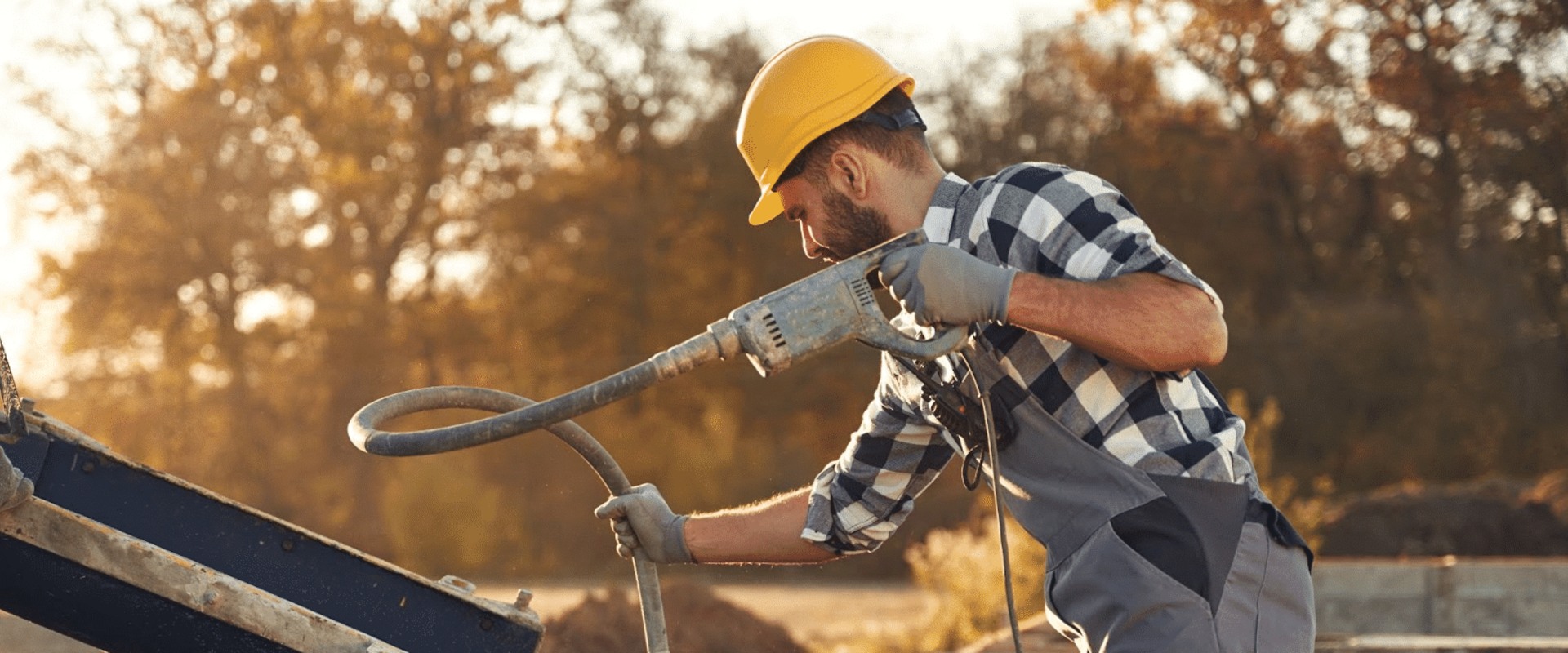
Concrete is known for its durability, but its long-term performance depends heavily on the conditions under which it is repaired. Many property owners schedule concrete repair projects based on convenience rather than environmental factors, overlooking the significant influence that weather has on curing, bonding, and overall structural integrity. Whether repairing sidewalks, patios, driveways, pool decks, or commercial surfaces, selecting the right season and monitoring weather forecasts can make the difference between a long-lasting repair and one that deteriorates prematurely. Professional contractors understand that successful concrete restoration requires more than quality materials and skilled workmanship—it also requires favorable weather conditions that support proper curing and minimize environmental stress during the repair process.
Temperature Directly Affects Concrete Performance
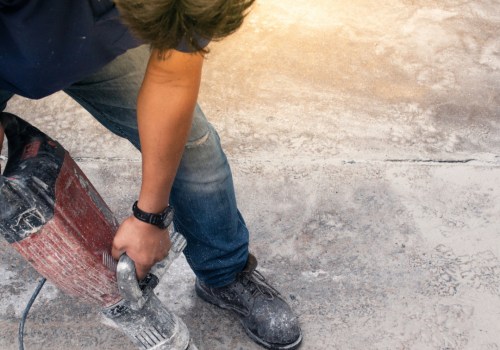
Temperature is one of the most important factors influencing concrete repair outcomes. When temperatures are excessively high, moisture evaporates too quickly from freshly applied repair materials, increasing the likelihood of shrinkage cracks, weakened surface strength, and poor bonding with the existing concrete. On the other hand, temperatures that are too cold slow the curing process significantly, preventing repair compounds from reaching their intended strength within the expected timeframe. In freezing conditions, trapped moisture may expand before curing is complete, creating internal damage that compromises the repair. For this reason, experienced contractors carefully monitor temperature forecasts and often schedule repairs during moderate weather when conditions allow concrete to cure at a consistent and controlled rate.
Moisture and Rain Require Careful Planning
Rainfall presents another challenge that can significantly impact concrete repair projects. Freshly repaired surfaces remain vulnerable until they have cured sufficiently, and unexpected rainfall can wash away repair materials, weaken surface finishes, or introduce excess moisture that affects curing quality. Even high humidity levels can alter drying times and influence the behavior of repair products. Professional contractors frequently adjust project schedules based on weather forecasts to avoid unnecessary risks while protecting completed work from sudden storms. Careful planning also extends to drainage management, ensuring surrounding areas do not direct standing water toward newly repaired concrete during the curing process. These preventive measures contribute to stronger, longer-lasting repairs that require less maintenance over time.
Coordinating Outdoor Renovations for Better Results
Concrete repair often forms part of broader outdoor improvement projects involving patios, landscaping, driveways, or swimming pools. Coordinating these improvements around favorable weather conditions helps ensure every component of the project progresses efficiently. Homeowners planning extensive backyard upgrades sometimes explore resources such as poolremodelingpro.com to gather ideas about integrating pool renovations with surrounding hardscape improvements. While pool remodeling and concrete repair are distinct services, planning them together during appropriate weather conditions allows contractors to coordinate schedules, reduce construction delays, and create a more cohesive finished outdoor space. This integrated approach also minimizes disruption while helping homeowners maximize the value of their investment.
Timing Protects Long-Term Durability
Choosing the right time for a concrete repair project is about far more than avoiding inconvenience—it directly influences the quality, appearance, and lifespan of the finished work. Contractors who evaluate seasonal conditions, temperature fluctuations, humidity levels, and precipitation forecasts are better equipped to deliver repairs that withstand daily use and changing environmental conditions. Proper timing allows repair materials to cure as intended, strengthens adhesion to existing concrete, and reduces the likelihood of early cracking or surface deterioration. By combining careful weather planning with skilled installation techniques and quality materials, property owners can extend the life of repaired concrete surfaces while reducing future maintenance costs. Ultimately, recognizing the connection between weather and concrete performance helps ensure that repair projects provide lasting structural integrity, improved appearance, and dependable performance for many years to come.