Successful concrete repair depends on more than simply applying new material over a damaged area. Proper surface preparation is one of the most important steps because repair products need a clean, stable, and properly textured surface in order to bond effectively. Dirt, oil, dust, loose concrete, old coatings, and other contaminants can interfere with adhesion and lead to premature failure. Before repairs begin, the damaged area should be carefully inspected so weak or deteriorated material can be removed. Taking the time to prepare the surface correctly gives the repair material a better chance of performing as intended and lasting through changes in weather, traffic, and everyday use.
Removing Loose and Damaged Material
Cracked or deteriorated concrete often contains sections that are no longer structurally sound. If new repair material is placed over these weak areas, the patch may eventually separate or break away. Chipping, grinding, scarifying, or other removal methods may be used to expose solid concrete beneath the damaged surface. The goal is to create a stable base rather than covering up existing problems. Edges around the repair area may also need to be shaped so the new material can achieve sufficient depth and support. Contractors such as Sharper Edge Custom Concrete Bluffton, SC may evaluate the condition of the surface before selecting the preparation and repair methods that best fit the project.
Cleaning Away Contaminants
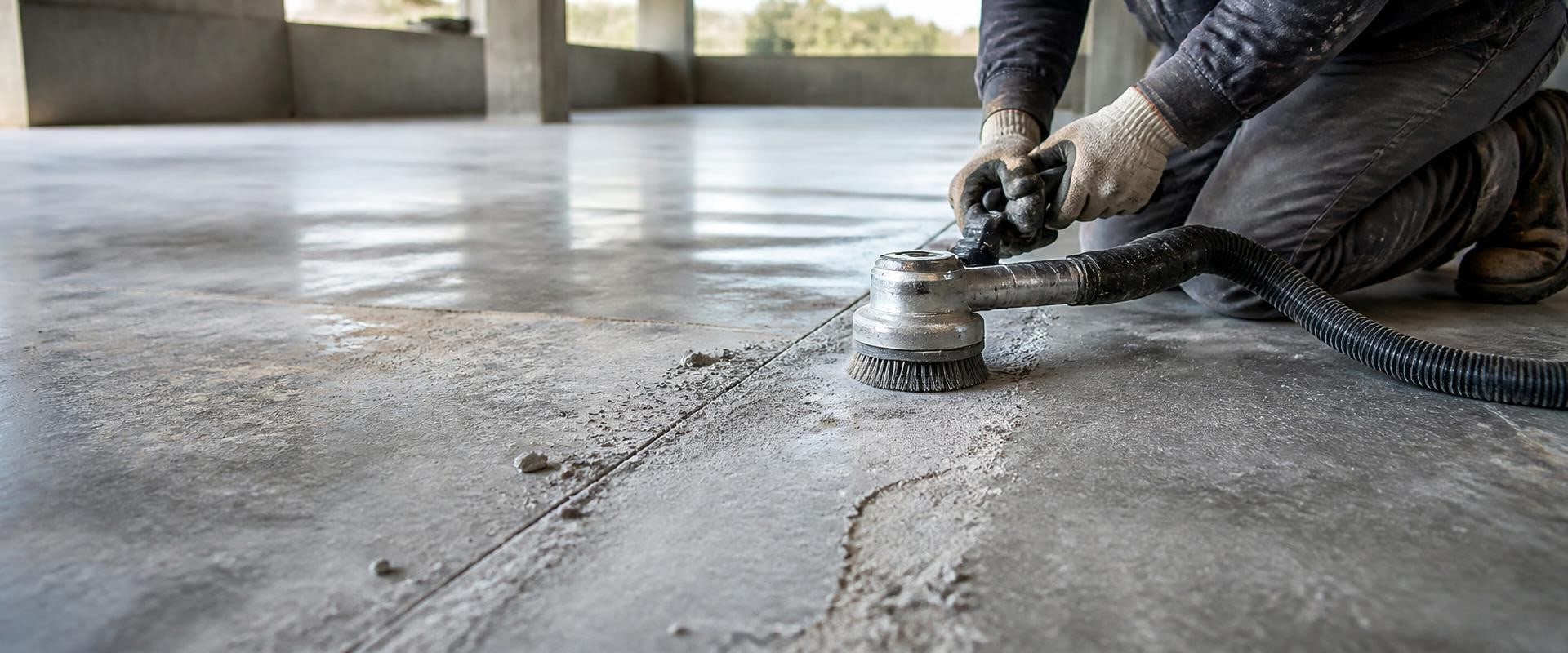
Concrete surfaces can collect grease, paint, sealers, dirt, mildew, and chemical residue over time. These substances can prevent repair materials from bonding directly to the concrete. Thorough cleaning is therefore essential before patching or resurfacing begins. Depending on the condition of the surface, preparation may involve pressure washing, mechanical grinding, degreasing, or specialized cleaning products. Dust created during grinding or removal should also be eliminated before the repair material is applied. Even a thin layer of debris can weaken the bond between old and new concrete.
Creating the Right Surface Profile
A completely smooth surface is not always ideal for concrete repairs. Many repair products perform better when the existing concrete has a slightly roughened texture that provides more surface area for bonding. This texture is often referred to as a surface profile. Mechanical preparation methods can help create the appropriate profile while removing weak material at the same time. The specific level of roughness needed will depend on the repair product being used and the condition of the existing concrete. Following manufacturer recommendations helps ensure the surface is prepared to support proper adhesion.
Managing Moisture Conditions
Moisture can also affect the success of a concrete repair. Some products require a dry surface, while others perform best when the existing concrete is damp but free of standing water. Applying a repair material under the wrong moisture conditions can interfere with curing or bonding. Contractors should check the product requirements and evaluate whether water is entering the repair area from drainage problems, cracks, or nearby soil. Addressing these conditions beforehand can help prevent moisture from undermining the finished repair.
Identifying the Cause of Damage
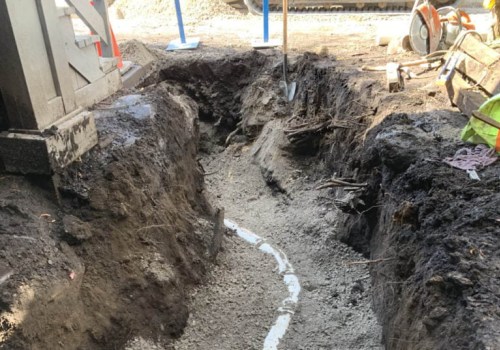
Surface preparation also provides an opportunity to determine why the concrete failed in the first place. Cracking, settlement, freeze-thaw cycles, poor drainage, heavy loads, and reinforcement corrosion can all contribute to deterioration. Repairing only the visible damage without addressing the underlying cause may result in the same problem returning. A thorough evaluation can help determine whether drainage improvements, joint repairs, reinforcement treatment, or structural corrections are needed.
Supporting Long-Term Repair Performance
Careful surface preparation can significantly improve the durability and appearance of repaired concrete. By removing unstable material, eliminating contaminants, creating the correct texture, managing moisture, and addressing underlying problems, contractors can create better conditions for repair materials to perform properly. Although preparation may require additional time at the beginning of a project, it can help reduce future cracking, separation, and repeated repairs, making it a critical part of achieving reliable and long-lasting results.