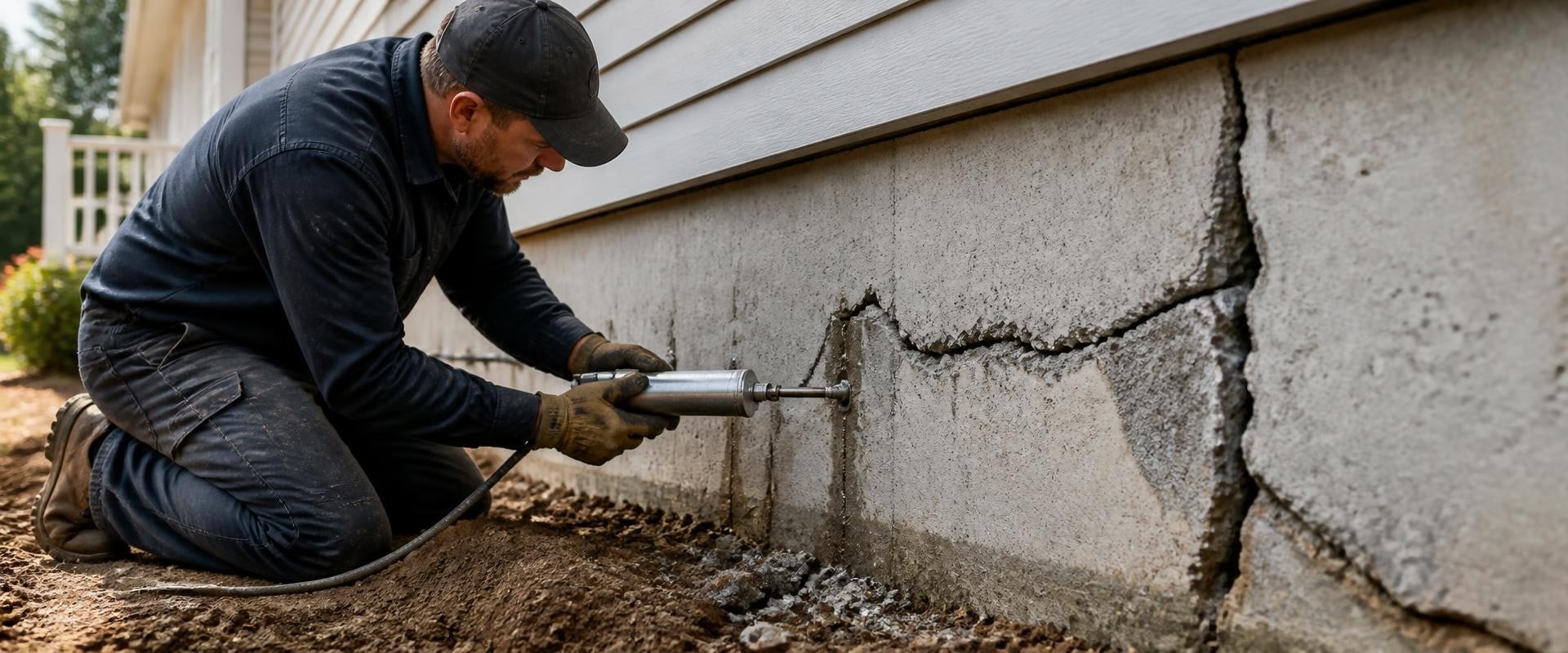
Concrete is used throughout many homes and commercial properties, including foundations, slabs, driveways, walkways, patios, and structural supports. While concrete is known for its strength, it can still crack, settle, shift, or deteriorate when the soil beneath it changes or when moisture conditions become inconsistent. In some cases, visible concrete damage may be limited to the surface, but in others it can point to broader structural movement. Understanding how concrete damage and foundation problems are connected can help property owners determine when simple repairs may be enough and when a more detailed structural evaluation is appropriate.
Watch for Cracks That Continue to Grow
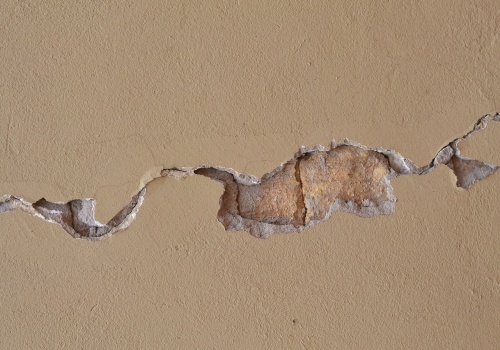
Small hairline cracks in concrete can develop naturally as materials cure, age, or respond to temperature changes. However, cracks that widen over time, repeatedly return after repair, or appear alongside other structural symptoms may deserve closer attention. Diagonal cracks, stair-step patterns, or separation between concrete sections can sometimes indicate movement beneath the structure. Professionals such as Bats Foundation Repair Pflugerville may evaluate whether soil movement, settlement, or other foundation conditions are contributing to visible concrete damage before cosmetic repairs are completed.
Understand How Soil Movement Affects Concrete
Concrete depends on stable support from the soil underneath it. Expansive soils can swell when they absorb moisture and shrink during dry conditions, creating repeated pressure beneath slabs and foundations. Poorly compacted soil may settle gradually, while erosion can remove support from beneath concrete surfaces. When one section moves more than another, cracking or uneven settlement can develop. The same soil conditions affecting a driveway or patio may also influence the foundation if the damaged areas are located close to the building.
Pay Attention to Uneven Slabs
Concrete slabs that begin sinking or heaving can create noticeable differences in elevation. Inside a home, uneven slabs may contribute to sloping floors, cracked tile, or gaps beneath walls. Outside, settled concrete can create trip hazards and change drainage patterns. If a walkway or driveway begins directing water toward the building because of settlement, additional moisture may collect around the foundation and contribute to further soil movement.
Consider Moisture and Drainage Problems
Water plays a major role in many concrete and foundation concerns. Poor grading, leaking plumbing, clogged gutters, or downspouts that discharge near the structure can saturate the surrounding soil. Excessive moisture may soften certain soils or cause expansive soil to swell. When conditions later become dry, the soil may shrink again. Maintaining proper drainage can help reduce these cycles and create more consistent support around concrete and foundation areas.
Avoid Repairing Concrete Before Finding the Cause
Patching cracks or resurfacing damaged concrete can improve appearance, but these repairs may not last if the underlying movement continues. Before replacing flooring, resurfacing slabs, or sealing significant cracks, property owners should determine whether soil or foundation conditions need attention first. Stabilizing the structure may provide a better starting point for durable concrete repairs.
Look for Related Structural Symptoms
Concrete damage becomes more meaningful when it appears alongside sticking doors, wall cracks, uneven floors, separating trim, or gaps around windows. These combined symptoms may indicate that the issue extends beyond a single concrete surface. A professional inspection can help determine whether the damage is isolated or connected to broader structural movement.
Address Both the Cause and the Visible Damage
Concrete and foundation problems often share common contributing factors, including settlement, moisture changes, erosion, and unstable soil. By identifying the source of movement before completing surface repairs, property owners can develop a more effective repair strategy. Coordinating foundation stabilization, drainage improvements, and concrete repair can help reduce recurring cracks, improve structural support, and create longer-lasting results throughout the property.