Concrete is widely used in residential, commercial, and industrial construction because of its strength, durability, and versatility. However, even well-installed concrete can deteriorate over time due to environmental conditions, heavy use, and improper maintenance. Cracks, surface deterioration, and structural weaknesses are common problems that can affect driveways, sidewalks, patios, and foundations. Understanding the causes of concrete damage and addressing them early can help property owners avoid expensive repairs while maintaining safe and functional surfaces.
Weather Exposure and Temperature Changes
One of the most common causes of concrete damage is prolonged exposure to changing weather conditions. Extreme temperatures can cause concrete to expand and contract, gradually creating cracks and weakening its surface. In colder climates, water entering small cracks can freeze and expand, making existing damage worse. Heavy rainfall and excessive moisture can also contribute to deterioration, particularly when drainage systems are inadequate. Professional repairs can address damaged areas, seal vulnerable surfaces, and recommend preventive measures to reduce future weather-related problems.
Poor Installation and Excessive Weight
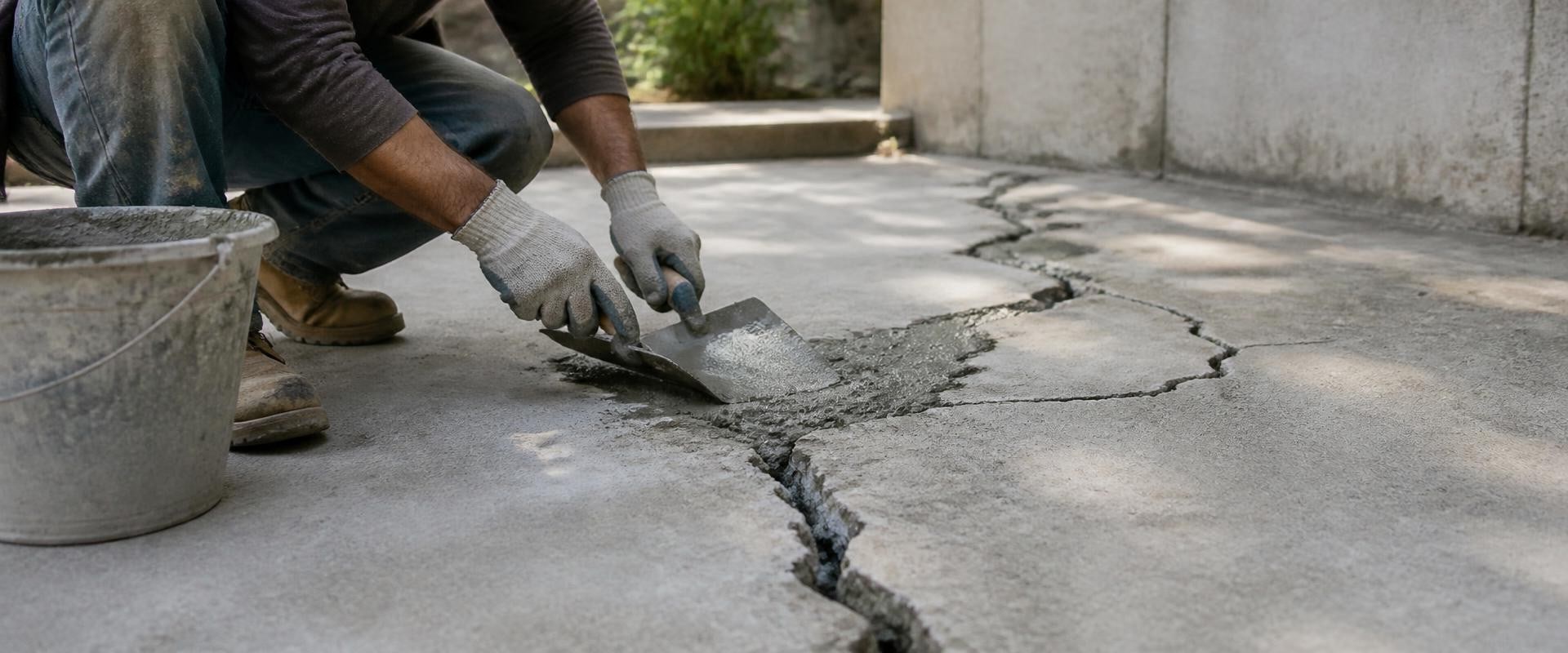
Improper concrete installation can significantly shorten the lifespan of a structure. Incorrect mixing ratios, insufficient curing time, and inadequate ground preparation may result in weak concrete that develops cracks or uneven surfaces. Additionally, repeated exposure to heavy vehicles, machinery, or excessive loads can place considerable stress on concrete installations. Hiring an experienced concrete contractor can help property owners identify underlying problems and determine appropriate repair methods. Depending on the severity of the damage, solutions may include crack filling, resurfacing, slab leveling, or replacing severely compromised sections.
Soil Movement and Foundation Issues
The soil beneath concrete plays an important role in maintaining structural stability. Soil erosion, settling, and changes in moisture levels can cause concrete slabs to shift, sink, or develop significant cracks. These problems are particularly common in driveways, walkways, and foundations where inadequate soil compaction or drainage contributes to movement. Professional repair specialists can assess the underlying conditions and recommend solutions that address both visible damage and its potential causes.
The Benefits of Timely Professional Concrete Repairs
Addressing concrete damage promptly can prevent minor problems from becoming more extensive and expensive. Professional repairs can improve structural performance, restore surface appearance, and reduce safety hazards associated with uneven or cracked concrete. Regular inspections, proper drainage, and preventive maintenance can further extend the lifespan of concrete installations. By investing in timely repairs and appropriate maintenance, property owners can protect their investments while preserving the durability, functionality, and appearance of their concrete surfaces.